
Business identity
Legal name, address, phone, website, domain email, public listings, and NAP consistency need to tell the same story.
The framework behind Verge Five
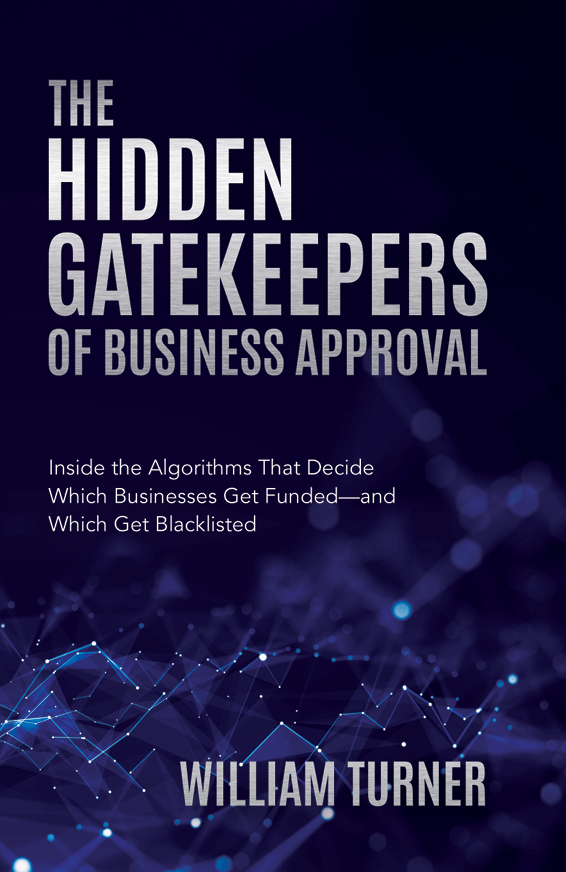
The Hidden Gatekeepers of Business Approval explains why business credit and funding decisions are often shaped by automated checks long before a human reviews the file. Verge Five turns that framework into a guided readiness system.
Direct answer
The hidden gatekeepers are the automated underwriting systems, vendor checks, bureau data, public records, banking signals, and consistency rules that decide whether a business looks real, stable, and ready before an application should move forward.
Legal name, address, phone, website, domain email, public listings, and NAP consistency need to tell the same story.
The business should be easy to verify across public-facing records and signals before vendors or lenders review it.
Business banking, balance behavior, account history, and clean activity can influence readiness for later credit moves.
Vendor, card, and funding applications should wait until the business profile is built enough to survive the checks.
How the platform uses the framework
Instead of teaching owners to chase applications, Verge Five starts with the signals the gatekeepers can read. The system moves from visibility to business identity, legal setup, banking, readiness, vendors, cards, and funding.
Common mistake
A business can be legitimate and still look weak to an automated review if the phone, address, website, bank records, public listings, and application details do not match. Verge Five helps owners slow down, verify the profile, and move only when the business looks ready.
It helps owners prepare the business profile before applying, so the company has a cleaner, more consistent record when vendors, bureaus, banks, or lenders review it.
Take the test drive